Creamy Roasted Eggplant Spaghetti in 20 Minutes
Whole eggplant, tomato, and garlic braise gently in olive oil, then mash into a silky sauce for spaghetti. A quick, comforting pasta dinner with deep roasted flavor.
Published 9 min read
- Total time
- Prep
- Cook
- Serves
- 2
- Cuisine
- Italian-inspired
- Calories
- 420
- per serving, estimated

On this page15 sections
This spaghetti recipe turns a whole eggplant, a tomato, and a few garlic cloves into a luscious, creamy sauce with almost no effort. The vegetables braise gently in olive oil until completely tender, then mash into a silky, savory sauce that clings to every strand of pasta. It's a quick, comforting dinner that feels surprisingly indulgent, ready in about 20 minutes from start to finish.
Here's a pasta dinner that celebrates the deep, mellow flavor of roasted eggplant. Instead of cubing and sautéing, you braise the whole eggplant, a ripe tomato, and garlic cloves in olive oil until they collapse into a soft, sweet mess. A quick mash with a fork transforms them into a creamy sauce that's rich without any cream. Tossed with spaghetti and a splash of pasta water, it becomes a glossy, satisfying meal that's perfect for busy weeknights. The method is forgiving, the ingredients are simple, and the result is a dish that tastes like it simmered for hours.
The appeal
Why you’ll love it
Braising the eggplant whole in olive oil and a little water gently steams and roasts it at the same time. This method allows the eggplant to become incredibly tender without absorbing excessive oil, keeping the sauce light yet creamy. The low heat also sweetens the garlic and tomato, creating a mellow, complex base that doesn't need any extra seasoning beyond salt.
Mashing the vegetables with a fork—rather than pureeing them in a blender—gives the sauce a rustic, chunky texture that clings to pasta beautifully. The natural starches from the eggplant and tomato, combined with a splash of starchy pasta water, emulsify into a silky coating. This technique mimics the creaminess of a traditional carbonara or alfredo but uses only vegetables and olive oil.
What you need
Ingredients
Makes 2 servings.
Contains:
- Gluten
Tools
Equipment
- Large skillet with lid
- Fork
- Pot for pasta
- Pasta tongs
- Colander
Swaps
Substitutions
Instead ofSpaghetti
UseUse any long pasta like linguine, fettuccine, or bucatini. Gluten-free pasta works too.
Instead ofFresh basil
UseIf basil is unavailable, use flat-leaf parsley or a few fresh oregano leaves for a different herb note.
Instead ofOlive oil
UseA neutral oil like avocado oil can replace olive oil, though the flavor will be less fruity.
Good to know
Notes
Choose a medium eggplant that feels heavy for its size, with shiny, unblemished skin. The tomato should be ripe but firm—a Roma or vine-ripened tomato works well. Garlic cloves can be left whole; they'll soften and sweeten as they braise, losing their sharp bite. Use a good-quality olive oil, since it's a major flavor component.
Spaghetti is the classic choice, but any long pasta like linguine or bucatini works. Keep a cup of pasta water before draining—it's essential for creating the glossy sauce. Fresh basil adds a bright, peppery finish; if you don't have it, a sprinkle of red pepper flakes or a few fresh oregano leaves can substitute.
Prep
Before you start
Before starting, fill a large pot with water and bring it to a boil—this way it's ready when you need it. Have all the vegetables washed and ready: the eggplant, tomato, and garlic cloves go into the skillet whole. Measure the olive oil and tomato paste. Keep the pasta water nearby when you drain the spaghetti, as you'll add it to the sauce. No need to peel or chop anything ahead; the braising process does the work.
Step by step
Method
Phase 1
Braising the Vegetables
Step 1: Braise the vegetables
Place the whole eggplant, whole tomato, and garlic cloves in a large skillet. Pour in the olive oil and add 1/4 cup water. Cover and cook over low heat for 10-12 minutes, turning occasionally, until the eggplant is completely tender and the tomato has burst.
You’ll need: whole eggplant · tomato · garlic · olive oil
Look for: The eggplant should feel soft when pressed, and the tomato skin will have split.
Tip: Keep the heat low to gently steam the vegetables without browning the garlic.
Step 2: Peel and mash
Remove the vegetables from the skillet. When cool enough to handle, peel the skins from the eggplant and tomato. Return the peeled vegetables to the skillet with the garlic and mash everything with a fork until mostly smooth but still slightly chunky.
You’ll need: whole eggplant · tomato · garlic
Look for: The mixture should be a thick, rustic paste with no large pieces of skin.
Tip: Peel the vegetables while still warm—the skins slip off easily.
Step 3: Cook the sauce
Stir the tomato paste into the mashed vegetables. Cook over medium heat for 2 minutes, stirring constantly, until the paste has deepened in color and the sauce is fragrant.
You’ll need: tomato paste
Look for: The sauce will darken slightly and smell sweet and rich.
Tip: Stir constantly to prevent the paste from sticking to the skillet.
Checkpoint
After this phase, the vegetables should be completely tender: the eggplant will feel soft and deflated, the tomato will have burst open, and the garlic will be golden and fragrant. The oil in the skillet will have taken on a reddish hue from the tomato. Use a fork to test—everything should mash easily. This is the foundation of the sauce, so don't rush it; low heat is key.
Phase 2
Cooking the Pasta
Step 4: Boil the spaghetti
Bring a large pot of salted water to a boil. Add the spaghetti and cook according to package directions until al dente. Reserve about 1 cup of pasta cooking water before draining.
You’ll need: spaghetti
Look for: The pasta should be tender but still firm to the bite.
Tip: Salt the water generously—it's the only chance to season the pasta itself.
Step 5: Combine pasta and sauce
Add the drained spaghetti to the skillet with the eggplant sauce. Toss with pasta tongs, adding splashes of the reserved pasta water, until every strand is glossy and coated with the creamy sauce.
You’ll need: spaghetti
Look for: The sauce should cling to the pasta, creating a silky, creamy texture.
Tip: Add the pasta water a little at a time—you may not need all of it.
Checkpoint
The spaghetti should be al dente—tender but with a slight bite at the center. When you drain it, reserve at least a cup of the starchy cooking water. The sauce should be simmering gently in the skillet, ready to receive the pasta. The kitchen will smell of sweet roasted garlic and tomato. Toss the pasta in the sauce immediately to prevent it from sticking together.
Phase 3
Finishing and Serving
Step 6: Serve with basil
Twirl the spaghetti onto plates using the pasta tongs. Garnish with fresh basil leaves and serve immediately.
You’ll need: fresh basil leaves
Look for: The dish should look glossy and inviting, with bright green basil on top.
Tip: Twirl the pasta into neat nests for a beautiful presentation.
Checkpoint
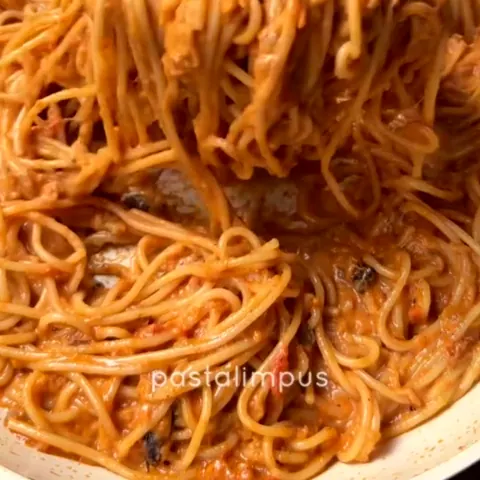
The final dish should look glossy and inviting, with every strand of spaghetti coated in a creamy, pale-orange sauce. The basil leaves add a fresh, green contrast. Twirl a portion onto a plate—it should hold its shape without being dry. The sauce should be thick enough to cling, but not pasty. Taste a strand: the flavor should be rich, sweet, and savory, with a hint of garlic.
Doneness
How to tell it’s done
The dish is done when the spaghetti is al dente and every strand is coated with a glossy, creamy sauce. The sauce should have a thick, spoonable consistency that clings to the pasta without being watery. To test, lift a strand of spaghetti with tongs—it should be slick and shiny, with the sauce adhering rather than pooling at the bottom of the skillet. The eggplant sauce should have a rich, sweet aroma with a mellow garlic note. Since there are no raw proteins in this recipe, there is no minimum internal temperature to check.
Avoid these
Common mistakes
One common mistake is overcooking the vegetables, which can make the sauce watery and bland. Keep the heat low and check the eggplant for doneness by pressing it gently—it should yield easily. Another pitfall is adding too much pasta water at once, which can make the sauce thin and slippery. Add it gradually, tossing constantly, until the sauce reaches a silky consistency. Also, avoid peeling the vegetables before braising; the skins slip off easily after cooking and help hold the vegetables together during the process.
Better results
Tips
Tip 1
For the silkiest sauce, take the time to peel the eggplant and tomato while they're still warm—the skins come off effortlessly and leave you with only the tender flesh. If you prefer a smoother texture, you can mash the vegetables more thoroughly, but a few small chunks add pleasant texture. To intensify the roasted flavor, let the vegetables braise a little longer until the eggplant is deeply caramelized.
Tip 2
When tossing the pasta with the sauce, use a pair of tongs rather than a spoon. The tongs allow you to lift and turn the spaghetti, coating each strand evenly while incorporating air, which helps the sauce emulsify. Don't be shy with the pasta water—it's the secret to a glossy, restaurant-quality finish. If the sauce seems too thick, add a splash more water until it loosens.
Make it yours
Variations
Spicy Arrabbiata Twist
Add 1/2 teaspoon red pepper flakes along with the tomato paste for a gentle heat. Finish with a drizzle of chili oil before serving for extra kick.
Herb-Infused Oil
Before braising, warm the olive oil with a sprig of rosemary or thyme, then remove the herb. The infused oil adds an earthy note to the sauce.
Zucchini Boost
Add one small zucchini, halved lengthwise, to the skillet with the eggplant. Braise until tender, then peel and mash with the other vegetables for extra bulk.
Smoky Paprika Variation
Stir in 1/2 teaspoon smoked paprika with the tomato paste. The smoky flavor complements the roasted eggplant beautifully.
On the table
Serving suggestions
Serve the spaghetti immediately after tossing, while it's hot and glossy. Twirl the pasta into neat nests using tongs, placing each portion in a shallow bowl. Garnish with fresh basil leaves—tear them if they're large, or leave whole for a dramatic presentation. A drizzle of extra-virgin olive oil on top adds a final touch of richness.
This dish pairs well with a simple green salad dressed with lemon and olive oil, or a side of crusty bread to soak up any remaining sauce. For a more substantial meal, serve alongside grilled vegetables or a tomato and mozzarella salad. The pasta is satisfying on its own, but the sides complement its creamy texture without overpowering it.
Leftovers
Storage & make-ahead
- Fridge
- Store leftovers in an airtight container in the refrigerator for up to 3 days. Reheat gently with a splash of water or olive oil.
- Freezer
- The sauce freezes well for up to 2 months. Thaw overnight in the refrigerator, then reheat gently. For best texture, cook fresh pasta when serving.
- Reheat
- Reheat leftover spaghetti in a skillet over medium-low heat with a splash of water or olive oil, tossing until heated through.
Store leftover spaghetti in an airtight container in the refrigerator for up to 3 days. The sauce will thicken as it cools; add a splash of water or olive oil when reheating to restore its creamy texture. Reheat gently in a skillet over medium-low heat, tossing frequently, or in the microwave in 30-second intervals, stirring between.
Make ahead
The eggplant sauce can be made up to 2 days ahead. Prepare the sauce through step 3, let it cool completely, then transfer to an airtight container and refrigerate. When ready to serve, reheat the sauce in a skillet over medium heat, then cook the pasta and toss together as directed. The sauce may darken slightly but the flavor will deepen.
Questions
Frequently asked questions
Can this recipe be made gluten-free?
Yes, simply use gluten-free spaghetti or any gluten-free pasta of choice. The sauce itself is naturally gluten-free, so only the pasta needs to be swapped. Be sure to check the pasta cooking water for seasoning, and adjust with extra salt if needed.
Why does the sauce turn watery?
A watery sauce usually comes from overcooking the vegetables or adding too much pasta water. Keep the heat low while braising, and add the pasta water gradually, only until the sauce reaches a silky consistency. If the sauce becomes too thin, let it simmer for a minute or two to reduce.
Can the eggplant be roasted in the oven instead?
Yes, you can roast the whole eggplant, tomato, and garlic in a 400°F oven for 25-30 minutes until tender. Then peel and mash as directed. This method yields a slightly deeper roasted flavor, but the stovetop braise is quicker and uses less energy.
What can be used instead of fresh basil?
If fresh basil isn't available, use flat-leaf parsley, a few fresh oregano leaves, or a small handful of baby spinach. Each will add a different herbal note, but all complement the creamy eggplant sauce. Dried basil can also be used, but add it to the sauce while cooking, not as a garnish.
How can the sauce be made creamier without dairy?
The sauce is naturally creamy from the mashed eggplant, but you can make it richer by stirring in a tablespoon of olive oil or a spoonful of tahini at the end. Another option is to blend a few tablespoons of the sauce with a splash of pasta water and stir it back in for extra silkiness.
Everything in one place: the recipe card below gathers the ingredients, steps and estimated nutrition, ready to print.
Recipe card
Creamy Roasted Eggplant Spaghetti in 20 Minutes
Whole eggplant, tomato, and garlic braise gently in olive oil, then mash into a silky sauce for spaghetti. A quick, comforting pasta dinner with deep roasted flavor.
- Prep
- Cook
- Total
- Servings
- 2 servings
Ingredients
- 1 whole eggplant
- 1 large tomato
- 3 cloves garlic
- 1/4 cup olive oil
- 1 tbsp tomato paste
- 8 oz spaghetti
- fresh basil leaves, for garnish, to taste
Instructions
Braise the vegetables. Place the whole eggplant, whole tomato, and garlic cloves in a large skillet. Pour in the olive oil and add 1/4 cup water. Cover and cook over low heat for 10-12 minutes, turning occasionally, until the eggplant is completely tender and the tomato has burst.
Peel and mash. Remove the vegetables from the skillet. When cool enough to handle, peel the skins from the eggplant and tomato. Return the peeled vegetables to the skillet with the garlic and mash everything with a fork until mostly smooth but still slightly chunky.
Cook the sauce. Stir the tomato paste into the mashed vegetables. Cook over medium heat for 2 minutes, stirring constantly, until the paste has deepened in color and the sauce is fragrant.
Boil the spaghetti. Bring a large pot of salted water to a boil. Add the spaghetti and cook according to package directions until al dente. Reserve about 1 cup of pasta cooking water before draining.
Combine pasta and sauce. Add the drained spaghetti to the skillet with the eggplant sauce. Toss with pasta tongs, adding splashes of the reserved pasta water, until every strand is glossy and coated with the creamy sauce.
Serve with basil. Twirl the spaghetti onto plates using the pasta tongs. Garnish with fresh basil leaves and serve immediately.
Allergens: Gluten
Nutrition (estimated, per serving)
- Calories
- 420 kcal
- Protein
- 10 g
- Carbs
- 70 g
- Fat
- 10 g
Estimates only: values vary with brands, substitutions and portion sizes.
Recipe by WixForum Kitchen · wixforum.com
Share this recipe
Send it to someone who’d love it, or save it for later.
Spotted a mistake in this recipe? Let us know.
Keep cooking


