Buttery Potato-Stuffed Flatbreads with Blistered Layers
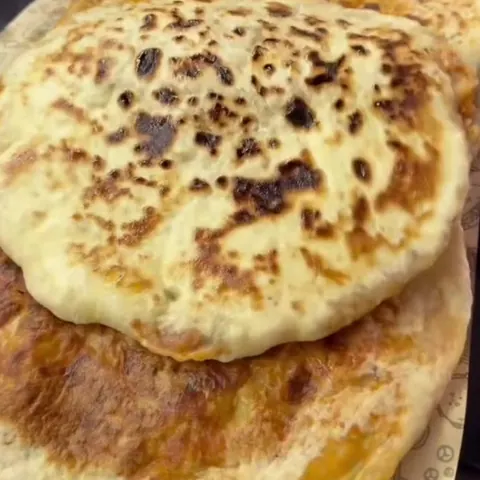
Soft yeasted flatbreads wrapped around a creamy spiced potato filling, pan-fried until golden and blistered, then brushed with melted butter. A comforting, tear-apart bread that's perfect for any meal.
Published 11 min read
- Total time
- Prep
- Cook
- Rest
- Serves
- 6
- Makes 6 flatbreads
- Cuisine
- Eastern European
- Calories
- 420
- per serving, estimated

On this page15 sections
These buttery potato-stuffed flatbreads are a celebration of simple ingredients: soft, yeasted dough wrapped around a creamy, spiced potato filling, then pan-fried until golden and blistered. The contrast of the crisp, buttery exterior and the tender, fragrant interior is irresistible. Each flatbread is brushed with melted butter as soon as it leaves the pan, giving it a glossy sheen and a rich flavor. Whether served warm as a side, a snack, or a meal on their own, these flatbreads are sure to become a favorite.
This recipe for potato-stuffed flatbreads is inspired by the comforting flavors of Eastern European cuisine. The dough is soft and pliable, made with just flour, yeast, water, and oil, and it rises to a pillowy texture that contrasts beautifully with the savory potato filling. The filling is a simple mash of potatoes, onion, dill, and paprika, seasoned to taste and cooled before being enclosed in the dough. The flatbreads are then rolled out and cooked on a hot skillet until they blister and brown, creating a slightly crispy exterior that gives way to a tender, layered interior. Brushed with melted butter, these flatbreads are best enjoyed warm, torn apart with your hands. They make a wonderful accompaniment to soups and stews, or can be served as a satisfying vegetarian main course.
The appeal
Why you’ll love it
The dough is made with a simple yeast mixture that produces a soft, pliable texture, perfect for rolling thin without tearing. The gentle kneading and resting time allow the gluten to develop, giving the flatbreads a chewy, satisfying bite. The dough is also enriched with a little oil, which keeps it tender and helps it brown evenly in the pan.
The potato filling is mashed until smooth and creamy, then seasoned with onion, dill, and paprika. Cooking the potatoes until fork-tender ensures a lump-free filling that spreads easily and stays put inside the dough. Cooling the filling completely before assembling prevents the dough from becoming sticky and helps the flatbreads hold their shape during rolling and cooking.
What you need
Ingredients
Makes 6 flatbreads.
Dough
Filling
For brushing
Contains:
- Gluten
- Milk
Tools
Equipment
- Large mixing bowl
- Rolling pin
- Skillet or griddle
- Spatula
- Pastry brush
- Clean kitchen towel
Swaps
Substitutions
Instead ofInstant yeast
UseActive dry yeast: use 2 1/4 tsp active dry yeast dissolved in the warm water with a pinch of sugar, let sit 5-10 minutes until foamy before adding to the flour.
Instead ofAll-purpose flour
UseBread flour: use an equal amount of bread flour for a chewier texture; you may need to add 1-2 tbsp extra water if the dough feels stiff.
Instead ofFresh dill
UseDried dill: use 1 tbsp dried dill, or substitute with fresh parsley or chives for a different herb note.
Instead ofPaprika
UseSmoked paprika: use smoked paprika for a deeper, smoky flavor, or add a pinch of cayenne for heat.
Good to know
Notes
Use all-purpose flour for the dough, as it provides the right balance of structure and tenderness. Instant yeast is convenient because it can be mixed directly with the dry ingredients; if using active dry yeast, dissolve it in the warm water with a pinch of sugar first. The water should be warm but not hot, around 110°F, to activate the yeast without killing it.
For the filling, choose starchy potatoes like Russets or Yukon Golds, which mash smoothly. The onion should be finely chopped so it blends into the filling without adding crunch. Fresh dill gives the best flavor, but dried dill can be used in a pinch. Adjust the salt and paprika to your taste, and consider adding a pinch of black pepper for extra warmth.
Prep
Before you start
Before starting, read through the recipe and gather all ingredients. Make sure the potatoes are peeled and cubed, the onion is finely chopped, and the fresh dill is ready. Measure the flour, yeast, sugar, salt, and oil for the dough. Warm the water to about 110°F (43°C) — it should feel comfortably warm to the touch. Set out a large mixing bowl, a rolling pin, a skillet or griddle, and a pastry brush. Clear a clean, floured surface for rolling the dough. Have a clean kitchen towel ready to cover the dough while it rises and to keep the rolled flatbreads moist. If using active dry yeast, dissolve it in the warm water with a pinch of sugar and let it sit for 5-10 minutes until foamy before adding to the flour.
Step by step
Method
Phase 1
Dough and Filling
Step 1: Make the Dough
In a large bowl, whisk together the flour, instant yeast, sugar, and salt. Add the warm water and vegetable oil, and stir with a wooden spoon until a shaggy dough forms. Turn the dough out onto a floured surface and knead for 8-10 minutes, until smooth and elastic. Place the dough in a lightly oiled bowl, cover with a clean kitchen towel, and let rise in a warm place for about 1 hour, until doubled in size.
You’ll need: all-purpose flour, plus more for dusting · instant yeast · sugar · salt · warm water (110°F/43°C) · vegetable oil, plus more for greasing
Look for: The dough should be smooth, elastic, and spring back when gently pressed.
Tip: If the dough is too sticky, add a little more flour, 1 tablespoon at a time, until it comes together.
Step 2: Prepare the Filling
While the dough rises, place the peeled and cubed potatoes in a pot and cover with cold water. Bring to a boil, then reduce to a simmer and cook for 15-20 minutes, until fork-tender. Drain the potatoes and return them to the pot. Add the finely chopped onion, fresh dill, paprika, and salt. Mash the mixture until smooth and creamy, adjusting salt to taste. Set aside to cool completely.
You’ll need: potatoes, peeled and cubed · onion, finely chopped · fresh dill, chopped · paprika · salt, or to taste
Look for: The filling should be smooth, creamy, and well-seasoned.
Tip: Cool the filling completely before assembling to prevent the dough from becoming sticky.
Checkpoint
At the end of this phase, the dough should be smooth, elastic, and doubled in size. The potato filling should be mashed to a creamy consistency, with the onion and dill evenly distributed. The filling should be completely cool before assembly. The dough should be puffed and airy, and the filling should taste well-seasoned. Take a moment to taste the filling and adjust salt or paprika if needed. If the dough hasn't risen enough, give it a few more minutes in a warm spot. Once both components are ready, you can proceed to shaping.
Phase 2
Shaping and Sealing
Step 3: Shape the Flatbreads
Punch down the risen dough and divide it into 6 equal pieces. On a floured surface, roll each piece into a 6-inch round. Place a generous scoop of the cooled potato filling (about 1/3 cup) in the center of each round. Gather the edges of the dough up over the filling like a purse, pinching tightly to seal. Flatten each filled ball with a rolling pin into a smooth round flatbread, about 8 inches in diameter, being careful not to tear the dough.
You’ll need: all-purpose flour, plus more for dusting
Look for: The flatbreads should be evenly thick, with the filling completely enclosed.
Tip: If the dough tears, pinch it back together and dust with a little flour.
Step 4: Seal and Roll
After gathering the edges and pinching tightly, gently press the filled dough ball with your palm to flatten it slightly. Using a rolling pin, roll from the center outward, turning the dough as you go, until you have a smooth, even flatbread about 8 inches in diameter. Repeat with the remaining dough balls. Keep the finished flatbreads covered with a damp towel to prevent drying.
Look for: Each flatbread should be uniformly thin, with no visible filling.
Tip: Roll gently to avoid pushing the filling out through the dough.
Checkpoint
After shaping, each flatbread should be a smooth, even round about 8 inches in diameter, with no visible filling or tears. The dough should be thin enough to cook through quickly but thick enough to hold the filling without breaking. As you roll, the flatbreads should feel pliable and slightly elastic. If any filling leaks out, pinch the dough to seal it. Keep the finished flatbreads covered with a damp towel to prevent them from drying out. The dough should not stick to your work surface; dust with flour as needed.
Phase 3
Cooking and Buttering
Step 5: Cook the Flatbreads
Heat a large skillet or griddle over medium-high heat. Place one flatbread in the pan and cook for 2-3 minutes, until the bottom is golden brown and blistered. Flip with a spatula and cook for another 2-3 minutes, until the other side is golden and the bread puffs up. Brush the hot crust immediately with melted butter. Transfer to a plate and repeat with the remaining flatbreads.
You’ll need: melted butter
Look for: The flatbread should be golden brown with dark blisters, and puffed in spots.
Tip: Adjust the heat as needed to prevent burning; the flatbreads should sizzle gently.
Checkpoint
The flatbreads should be golden brown with dark blisters on both sides, and they may puff up in spots. The butter should sizzle as it hits the hot crust, creating a glossy, fragrant finish. The flatbreads should feel crisp on the outside and soft inside. When you press gently, they should spring back. The aroma of toasted bread and butter should fill the kitchen. Transfer the cooked flatbreads to a plate and brush with more butter if desired. Serve immediately, as they are best warm.
Doneness
How to tell it’s done
The flatbreads are done when they are golden brown on both sides with dark blisters and puffed spots. The dough should be cooked through, with no raw or doughy center. When you tap the flatbread, it should sound hollow. The filling should be hot and creamy, and the exterior should be crisp and buttery. If you cut one open, the layers should be distinct, with the potato filling fully heated. The internal temperature of the flatbread is not a concern since there is no raw protein, but the center should be piping hot. Serve immediately for the best texture, as they are most enjoyable warm and fresh from the pan.
Avoid these
Common mistakes
One common mistake is overfilling the flatbreads, which makes them difficult to seal and can cause the filling to leak out during rolling. Use about 1/3 cup of filling per flatbread, and make sure the edges are pinched tightly. Another pitfall is rolling too aggressively, which can tear the dough. Roll gently and evenly, turning the dough as you go. If the dough sticks to the surface, dust with more flour. Cooking over too high heat can burn the exterior before the inside is cooked through; maintain a medium-high heat and adjust as needed. Finally, don't skip brushing the flatbreads with butter immediately after cooking, as it adds flavor and a beautiful sheen.
Better results
Tips
Tip 1
For the best texture, use a heavy skillet or cast-iron pan that distributes heat evenly. Preheat the pan thoroughly before adding the first flatbread, and adjust the heat between batches to maintain a steady sizzle. If the flatbreads brown too quickly, lower the heat slightly. Brushing the flatbreads with melted butter immediately after cooking gives them a rich, glossy finish. If the butter is salted, it adds an extra layer of flavor.
Tip 2
To keep the flatbreads warm while cooking the rest, place them on a baking sheet in a 200°F oven. This will keep them soft and pliable without drying them out. If you prefer a crispier texture, skip the oven and serve them as you go. The flatbreads are best eaten fresh, but they can be reheated in a dry skillet or toaster oven to revive their crispness.
Make it yours
Variations
Cheese and Herb
Add 1/2 cup shredded cheddar or feta cheese to the potato filling, along with extra fresh herbs like parsley or chives. The cheese melts during cooking, adding a rich, savory note.
Spicy Chorizo
Brown 1/2 cup crumbled fresh chorizo and mix into the potato filling for a smoky, spicy twist. Reduce the salt slightly to balance the chorizo's seasoning.
Garlic Butter
Infuse the melted butter with a minced garlic clove before brushing on the hot flatbreads. This adds a fragrant, savory layer that pairs well with the potato filling.
Sweet Potato
Substitute sweet potatoes for the regular potatoes, and add a pinch of cinnamon or nutmeg to the filling. The natural sweetness complements the dill and paprika.
On the table
Serving suggestions
These flatbreads are best served warm, torn open to reveal the creamy potato filling. They make a satisfying vegetarian main course when paired with a simple salad or a bowl of soup. For a heartier meal, serve them alongside grilled meats or roasted vegetables. The buttery, blistered crust is delicious on its own, but a dollop of sour cream or yogurt adds a cool contrast.
For a casual gathering, cut the flatbreads into wedges and serve as an appetizer or snack. They also work well as a sandwich base, stuffed with fresh vegetables and a drizzle of sauce. If you have leftovers, they can be sliced and toasted for a crispy breakfast or lunch. The flatbreads are versatile and can be adapted to your taste by adding herbs, spices, or cheese to the filling.
Leftovers
Storage & make-ahead
- Fridge
- Store leftover flatbreads in an airtight container in the refrigerator for up to 5 days. Reheat in a skillet or toaster oven before serving.
- Freezer
- Freeze cooked flatbreads in a single layer on a baking sheet, then transfer to a freezer bag for up to 2 months. Reheat directly from frozen.
- Reheat
- Reheat frozen flatbreads in a dry skillet over medium heat for 2-3 minutes per side, or in a 350°F oven for 10 minutes until warm and crisp.
Store leftover flatbreads in an airtight container at room temperature for up to 2 days. To keep them from drying out, place a piece of parchment paper between each flatbread. For longer storage, wrap them tightly in plastic wrap and refrigerate for up to 5 days. Reheat in a skillet over medium heat for 1-2 minutes per side, or in a toaster oven until warm and crisp. Avoid microwaving, as it can make them soggy.
Make ahead
The dough can be prepared up to 1 day ahead. After kneading, place it in an oiled bowl, cover, and refrigerate for up to 24 hours. Let it come to room temperature and rise before shaping. The potato filling can also be made ahead and refrigerated for up to 3 days. Bring it to room temperature or warm it slightly before assembling. Cooked flatbreads can be frozen for up to 2 months; reheat directly from frozen in a skillet or oven.
Questions
Frequently asked questions
Can the dough be made without a stand mixer?
Yes, the dough can be kneaded by hand. Turn it out onto a floured surface and knead for 8-10 minutes until smooth and elastic. This is a great arm workout, but the result is the same as using a mixer. If the dough sticks, add a little more flour.
Why does the filling leak out during cooking?
Leaking usually happens if the dough is overfilled or not sealed tightly. Use about 1/3 cup of filling per flatbread and pinch the edges together firmly. Also, avoid rolling too thin, as this can create weak spots. If a leak occurs, patch it with a small piece of dough.
Can these flatbreads be baked instead of pan-fried?
Yes, they can be baked in a 450°F (230°C) oven on a preheated baking sheet or pizza stone for 8-10 minutes, flipping halfway. They will not develop the same blisters as pan-frying, but they will still be delicious. Brush with butter after baking.
What type of potatoes work best for the filling?
Starchy potatoes like Russets or Yukon Golds mash smoothly and absorb flavors well. Waxy potatoes like red or new potatoes can be used, but they may result in a slightly chunkier filling. Ensure the potatoes are cooked until very tender before mashing.
Can the flatbreads be made gluten-free?
A gluten-free version would require a different flour blend and likely a binder like xanthan gum. The texture will be more delicate, so handle gently. Use a gluten-free all-purpose flour blend and add 1/2 tsp xanthan gum if not included in the blend.
Everything in one place: the recipe card below gathers the ingredients, steps and estimated nutrition, ready to print.
Recipe card
Buttery Potato-Stuffed Flatbreads with Blistered Layers
Soft yeasted flatbreads wrapped around a creamy spiced potato filling, pan-fried until golden and blistered, then brushed with melted butter. A comforting, tear-apart bread that's perfect for any meal.
- Prep
- Cook
- Rest
- Total
- Servings
- 6 flatbreads
Ingredients
Dough
- 3 1/2 cups all-purpose flour, plus more for dusting
- 2 1/4 tsp instant yeast
- 1 tbsp sugar
- 1 1/2 tsp salt
- 1 1/4 cups warm water (110°F/43°C)
- 2 tbsp vegetable oil, plus more for greasing
Filling
- 1 1/2 lb potatoes, peeled and cubed
- 1 medium onion, finely chopped
- 1/4 cup fresh dill, chopped
- 1 tsp paprika
- 1 tsp salt, or to taste
For brushing
- 1 tbsp melted butter
Instructions
Make the Dough. In a large bowl, whisk together the flour, instant yeast, sugar, and salt. Add the warm water and vegetable oil, and stir with a wooden spoon until a shaggy dough forms. Turn the dough out onto a floured surface and knead for 8-10 minutes, until smooth and elastic. Place the dough in a lightly oiled bowl, cover with a clean kitchen towel, and let rise in a warm place for about 1 hour, until doubled in size.
Prepare the Filling. While the dough rises, place the peeled and cubed potatoes in a pot and cover with cold water. Bring to a boil, then reduce to a simmer and cook for 15-20 minutes, until fork-tender. Drain the potatoes and return them to the pot. Add the finely chopped onion, fresh dill, paprika, and salt. Mash the mixture until smooth and creamy, adjusting salt to taste. Set aside to cool completely.
Shape the Flatbreads. Punch down the risen dough and divide it into 6 equal pieces. On a floured surface, roll each piece into a 6-inch round. Place a generous scoop of the cooled potato filling (about 1/3 cup) in the center of each round. Gather the edges of the dough up over the filling like a purse, pinching tightly to seal. Flatten each filled ball with a rolling pin into a smooth round flatbread, about 8 inches in diameter, being careful not to tear the dough.
Seal and Roll. After gathering the edges and pinching tightly, gently press the filled dough ball with your palm to flatten it slightly. Using a rolling pin, roll from the center outward, turning the dough as you go, until you have a smooth, even flatbread about 8 inches in diameter. Repeat with the remaining dough balls. Keep the finished flatbreads covered with a damp towel to prevent drying.
Cook the Flatbreads. Heat a large skillet or griddle over medium-high heat. Place one flatbread in the pan and cook for 2-3 minutes, until the bottom is golden brown and blistered. Flip with a spatula and cook for another 2-3 minutes, until the other side is golden and the bread puffs up. Brush the hot crust immediately with melted butter. Transfer to a plate and repeat with the remaining flatbreads.
Allergens: Gluten, Milk
Nutrition (estimated, per serving)
- Calories
- 420 kcal
- Protein
- 8 g
- Carbs
- 70 g
- Fat
- 12 g
Estimates only: values vary with brands, substitutions and portion sizes.
Recipe by WixForum Kitchen · wixforum.com
Share this recipe
Send it to someone who’d love it, or save it for later.
Spotted a mistake in this recipe? Let us know.
Keep cooking


