Honey Garlic Shrimp Stir-Fry with Crisp Vegetables
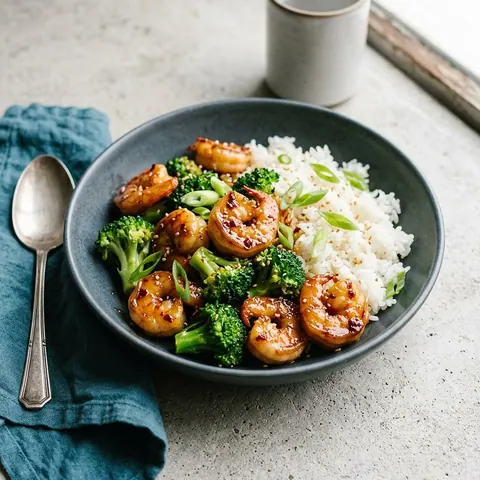
Tender seared shrimp, crisp broccoli florets, and sweet red bell peppers tossed in a glossy honey garlic glaze over warm jasmine rice.
Published 12 min read
- Total time
- Prep
- Cook
- Serves
- 4
- Cuisine
- Chinese-American
- Calories
- 420
- per serving, estimated

On this page16 sections
A great stir-fry demands intense heat, vivid colors, and a glossy balance of sweet, savory, and aromatic notes. This classic honey garlic shrimp dinner delivers perfectly seared shellfish paired with snappy broccoli florets and sweet red bell peppers in mere minutes. The silky glaze clings smoothly to every component, transforming basic pantry ingredients into a vibrant weeknight meal. Fresh ginger, pungent garlic, and rice vinegar ensure the honey sauce stays crisp, clean, and never cloying.
Stir-frying remains one of the fastest, most satisfying ways to get dinner on the table, yet home cooks frequently encounter mushy vegetables or tough, watery shellfish. By understanding pan heat and managing surface moisture, you can consistently achieve the tender snap found in restaurant dining. In this dish, the natural sweetness of plump shrimp harmonizes with crisp red bell pepper and earthy broccoli florets, brought together under a concentrated honey and soy glaze. Serving the glossy mixture directly over warm, fragrant jasmine rice creates the ideal canvas to capture every drop of seasoned pan sauce. With all cutting and measuring completed before firing up the stove, the entire cooking process flows seamlessly in under ten minutes.
The appeal
Why you’ll love it
Cooking the seafood separately from the vegetables is the foundational technique that guarantees success in this dish. Shellfish cooks in a blink and releases residual water if crowded alongside dense vegetables. By searing the shrimp first in an oiled, piping hot wok, the protein proteins coagulate quickly, sealing in delicate juices while establishing a lightly browned, tender exterior. Removing them to a resting plate prevents thermal overshoot, ensuring they do not turn rubbery while the tougher broccoli and peppers cook through. The shrimp return only in the final seconds of cooking, soaking up the hot honey sauce without enduring excess heat that ruins their delicate texture.
Creating an emulsion-like glaze with a cornstarch slurry provides the signature glossy sheen that defines professional stir-fries. As the mixture of soy sauce, honey, rice vinegar, and aromatics reaches a rolling simmer, the starch granules hydrate and swell rapidly, binding free water into a rich, cohesive coating. This prevents the sauce from pooling thinly at the bottom of the bowl and instead forces it to cling intimately to the smooth bell pepper slices and rough broccoli florets. The balanced acidity from the rice vinegar cuts cleanly through the dense viscosity of the honey, producing a rounded savory profile that coats each ingredient evenly.
What you need
Ingredients
Makes 4 servings.
Stir-Fry
Vegetables
Sauce
Serving
Contains:
- Crustaceans
- Gluten
- Sesame
- Soy
Tools
Equipment
- Carbon steel wok or large heavy skillet
- Small mixing bowl
- Whisk or fork
- Paper towels
- Chef's knife and cutting board
- Slotted spatula or wok turner
- Instant-read digital food thermometer
Swaps
Substitutions
Instead ofSoy sauce
UseUse tamari or coconut aminos in an equal measure if managing wheat intake, keeping in mind coconut aminos adds a slightly sweeter finish.
Instead ofRice vinegar
UseSubstitute equal parts apple cider vinegar or white wine vinegar to maintain the bright, sharp acidity that balances the honey.
Instead ofVegetable oil
UseSwap with peanut oil, avocado oil, or canola oil, all of which tolerate high heat without burning in the wok.
Good to know
Notes
Select large raw shrimp that have been thoroughly peeled and deveined to streamline preparation. While frozen shrimp are exceptionally convenient and often fresher than thawed supermarket displays, defrost them completely in the refrigerator or under a gentle stream of cold running water before starting. The absolute golden rule of stir-frying seafood is drying every piece aggressively with absorbent paper towels. Any excess water left clinging to the exterior drops the pan temperature upon contact, causing the seafood to boil rather than sear, which dulls color and softens the crisp texture of your finished dish.
A traditional carbon steel wok yields superior heat distribution and ease of movement, but a heavy 12-inch stainless steel or cast-iron skillet performs admirably on standard residential ranges. Use an oil with a high smoke point, such as refined peanut, canola, or vegetable oil, avoiding delicate extra-virgin olive oil that burns at elevated temperatures. For the vegetables, uniform cutting is critical: trim broccoli into bite-sized florets with small stems so they tenderize at the exact same pace as the slender red bell pepper strips, keeping both vibrant and pleasantly crisp.
Prep
Before you start
Before lighting the burner, complete every single preparation step because wok cooking moves exceptionally fast. Whisk the honey, soy sauce, garlic, ginger, rice vinegar, and cornstarch slurry together in a small bowl until completely homogeneous. Cut the broccoli into uniform, bite-sized florets and slice the bell pepper into thin strips. Pat the peeled shrimp dry with multiple layers of paper towels, discarding any remaining surface moisture. Measure out your cooking oil, chop the green onions, and warm the jasmine rice so every garnish and component sits within arm's reach of your cooking station before applying heat.
Step by step
Method
Phase 1
Phase 1: Shellfish Searing and Aromatics
Step 1: Dry the Shellfish
Place the raw peeled shrimp in a single layer between several sheets of clean paper towels. Press down gently across the surfaces to remove all traces of surface water, ensuring the seafood is completely dry to prevent steaming during the sear.
You’ll need: peeled shrimp
Look for: Paper towels absorb visible surface moisture, leaving the exterior matte and dry.
Tip: Damp surfaces release excess moisture that cools down the hot steel pan rapidly.
Step 2: Whisk the Glaze Ingredients
In a small bowl, whisk together the honey, soy sauce, minced garlic, grated ginger, rice vinegar, and cornstarch slurry. Stir thoroughly until the sauce blends into a uniform liquid without leaving any stubborn unmixed pockets resting on the bottom.
You’ll need: honey · soy sauce · garlic · fresh ginger · rice vinegar · cornstarch slurry
Look for: A smooth, uniform, brown liquid forms with no unblended residue remaining.
Tip: Whisking early ensures the cornstarch slurry disperses evenly before hitting intense heat.
Step 3: Sear the Shrimp
Heat one tablespoon of vegetable oil in a wok set over medium-high heat until shimmering. Add the dried shrimp in a wide single layer and sear undisturbed for about ninety seconds until the underside turns pale pink, then turn once.
You’ll need: vegetable oil · peeled shrimp
Look for: Sizzling sounds rise immediately as edges turn bright pink and curl slightly.
Tip: Avoid moving the seafood constantly so the intense surface heat can create color.
Step 4: Finish the Par-Cook and Reserve
Cook the shrimp for another minute until opaque throughout, registering an internal temperature of at least 145°F (63°C) on a digital thermometer. Transfer the cooked shellfish immediately to a clean plate and set aside to keep them tender.
You’ll need: peeled shrimp
Internal temperature 145°F (63°C)
Look for: The flesh turns opaque pearly-white and reaches 145°F (63°C) at the thickest point.
Tip: Transfer out of the pan quickly; lingering heat overcooks delicate shellfish into rubber.
Checkpoint
At the conclusion of this initial phase, the shrimp should be lightly browned, opaque, and bright pink, having reached an internal temperature of 145°F (63°C). The aroma of seared seafood should be clean and sweet, without any burnt notes. Resting them on a separate plate allows the wok to recover full thermal energy for the vegetables. The pan surface will show light oil residue and browned bits, ready to season the incoming produce rather than swimming in pooled water or soggy juices.
Phase 2
Phase 2: High-Heat Vegetable Stir-Frying
Step 5: Heat Oil for the Vegetables
Pour the remaining one tablespoon of vegetable oil into the emptied wok still set over medium-high heat. Swirl the oil gently around the sides and base of the pan so the entire cooking surface is evenly coated and glistening hot.
You’ll need: vegetable oil
Look for: Thin wisps of vapor emerge as the oil flows fluidly across the metal.
Tip: A hot, well-oiled surface ensures the vegetables blister nicely without absorbing excess oil.
Step 6: Stir-Fry the Broccoli and Peppers
Add the prepared broccoli florets and sliced red bell pepper directly into the hot wok. Toss and stir continuously with a spatula for three to four minutes until the florets turn vibrant emerald green and the peppers soften slightly at the edges.
You’ll need: broccoli florets · red bell pepper
Look for: Colors deepen to vivid bright green and scarlet, retaining a crisp-tender snap.
Tip: Keep the pieces moving across the metal to char edges without scorching them.
Checkpoint
The broccoli florets should now gleam in a vivid, deep emerald green, showing faint blistered specks along their edges where they contacted the hot metal. Sliced red peppers will look slightly softened yet firm, displaying glossy skin with bright red tones. The kitchen should smell intensely of sweet roasted pepper and charred brassicas. When pressed with a spatula, the vegetables yield slightly while maintaining sturdy structural integrity, indicating they have achieved the ideal crisp-tender stage without turning limp.
Phase 3
Phase 3: Glaze Reduction and Assembly
Step 7: Thicken the Sauce
Give the bowl of prepared sauce a quick stir to resuspend the ingredients, then pour the mixture directly into the wok with the vegetables. Stir constantly as the liquid reaches a vigorous boil and bubbles vigorously across the pan base.
You’ll need: honey · soy sauce · garlic · fresh ginger · rice vinegar · cornstarch slurry
Look for: The liquid bubbles, darkens, clears up, and becomes glossy and thick.
Tip: Continuous stirring prevents the garlic and honey sugars from sticking and scorching.
Step 8: Toss and Coat the Shrimp
Return the reserved cooked shrimp along with any accumulated plate juices into the bubbling sauce. Stir and toss the entire mixture together for thirty to sixty seconds until every piece of seafood and vegetable is thoroughly glazed in shiny sauce.
You’ll need: peeled shrimp
Look for: The thick sauce clings tightly to each vegetable floret and glistening piece.
Tip: Brief tossing warms the seafood back up without toughening the delicate protein.
Step 9: Garnish and Plate over Rice
Divide the warm cooked jasmine rice evenly among serving bowls. Spoon the saucy stir-fry generously over the top of each portion, then finish by scattering toasted sesame seeds and sliced green onions across each bowl before serving immediately.
You’ll need: cooked jasmine rice · sesame seeds · green onions
Look for: Contrasting white sesame seeds and green onions stand out over glossy sauce.
Tip: Serve straight from the wok to maintain peak crispness and aromatic heat.
Checkpoint
As the sauce reaches a rapid boil, it clears from cloudy brown to a dark, lustrous mahogany that bubbles vigorously. When the shrimp return, the thickened glaze clings like a velvet coat to every curve of the shellfish and floret, leaving minimal watery residue in the bottom of the pan. A scraped spatula across the wok base should reveal a clear line that fills slowly. The completed mixture looks deeply glistening, intensely fragrant with garlic and ginger, and ready for immediate serving over warm rice.
Doneness
How to tell it’s done
Shellfish doneness is judged through color, curvature, and internal temperature. Raw translucent gray flesh transforms into an opaque pearly white with soft pink highlights along the curves. Perfectly cooked shrimp curl gently into a loose letter C shape; if curled tightly into a tight O, they are likely overcooked and dry. Insert a digital food thermometer into the thickest portion of the largest piece to ensure it reaches at least 145°F (63°C). The vegetables are done when they display brilliant saturation and offer a distinct, crisp crunch when bitten, without any woody stiffness or soft waterlogged collapse.
Avoid these
Common mistakes
The most frequent error is overcrowding the pan, which traps rising steam and turns a vibrant stir-fry into an unintentional braise. If working on a modest burner or with a smaller skillet, sear the shrimp in two distinct batches rather than dumping the entire pound in at once. Another common pitfall is forgetting to re-stir the glaze mixture immediately before pouring it into the hot wok. Cornstarch settles quickly to the bottom of prep bowls, leaving you with thin broth and scorched starch lumps if not whisked smooth right before hitting the intense heat of the pan.
Cook safely
Food safety
Safe internal temperatures
Cook to at least these temperatures, measured with an instant-read thermometer in the thickest part.
| Food | Minimum internal temperature |
|---|---|
| Shellfish | 145°F (63°C) |
Better results
Tips
Tip 1
Maintain the highest heat your stove can reliably support throughout the vegetable cooking stage. The intense temperature vaporizes surface moisture instantly, allowing the broccoli and sweet bell pepper to brown lightly while keeping their interior cell walls intact and crunchy. If you notice the pan drying out or the garlic aromatics threatening to scorch before the thick broccoli stems soften, cover briefly for thirty seconds to allow the trapped steam from the vegetables to tenderize the stems without dulling their crisp exterior.
Tip 2
Always grate fresh ginger using a fine microplane rasp rather than roughly chopping it with a chef's knife. Finely rasped ginger releases aromatic juices that blend seamlessly into the honey soy liquid, distributing warm, spicy notes uniformly across the entire batch. Chopped chunks, by contrast, can burn in hot oil or leave unpleasantly pungent fibrous bites. Similarly, mince the garlic finely so its natural sweetness infuses into the glaze without turning bitter. These subtle knife skills elevate the sauce from ordinary to restaurant-quality consistency.
Make it yours
Variations
Spicy Chili Honey Shrimp
Stir one teaspoon of crushed red pepper flakes or chili crisp directly into the garlic and ginger sauce before cooking. The bright heat provides a lively, bold counterpoint to the sweet honey and savory soy glaze.
Snap Pea and Pepper Stir-Fry
Replace the broccoli florets with two cups of trimmed sugar snap peas or snow peas. Stir-fry them quickly for just two minutes to preserve their delicate crunch and vibrant green appearance alongside the bell peppers.
Low-Sodium Tamari Variation
Swap traditional soy sauce for reduced-sodium tamari in an equal measure. This keeps the rich umami depth while reducing salt levels and offering an easy wheat-free foundation that coats the seafood beautifully without altering cooking technique.
Toasted Cashew Crunch
Toss a third cup of toasted unsalted cashews into the wok alongside the cooked shrimp during the final glaze reduction. The nuts absorb the glossy sauce while adding a delightful buttery crunch to every serving.
On the table
Serving suggestions
Present this vibrant stir-fry mounded high in wide, shallow ceramic bowls over steaming jasmine rice. The delicate floral aroma of warm jasmine grains provides the ideal fragrant cushion for the robust garlic and ginger glaze. Spoon generous amounts of the pan glaze over the top so it trickles down between the fluffy grains, seasoning each bite. Finish with a scatter of toasted sesame seeds for subtle nuttiness and sliced scallions to introduce sharp freshness that cuts through the rich, sweet honey glaze.
If you wish to expand the table spread for family dining, pair the stir-fry with a light broth soup or chilled cucumber salad dressed with seasoned rice vinegar and chili oil. For an alternative starch base, tender lo mein noodles or brown rice work wonderfully to soak up the thickened pan drippings. Serve immediately while the wok aroma is at its peak, providing small dishes of extra chili flakes or sriracha alongside for guests who appreciate an extra layer of assertive heat.
Leftovers
Storage & make-ahead
- Fridge
- Store leftovers in an airtight container in the refrigerator for up to 2 days.
- Freezer
- Freezing is not recommended as cooked shrimp and vegetables turn watery and rubbery upon thawing.
- Reheat
- Reheat gently in a lightly oiled hot skillet over medium heat for 2 to 3 minutes until warmed through without toughening the shrimp.
Transfer any leftover stir-fry into an airtight container within two hours of cooking to preserve food safety and texture. Store the cooked jasmine rice in a separate container if possible, which prevents the grains from absorbing excess moisture and becoming soggy. When stored properly in the refrigerator, the shellfish and vegetables maintain appealing flavor for up to two days. Note that chilled broccoli naturally softens over time, so consuming leftovers promptly delivers the best sensory experience.
Make ahead
You can streamline dinner service by prepping all vegetables and mixing the sauce up to twenty-four hours in advance. Chop the broccoli florets and bell pepper strips, sealing them in an airtight container lined with a dry paper towel to catch residual humidity. Whisk the honey, soy sauce, garlic, ginger, vinegar, and cornstarch slurry in a small jar and refrigerate. When ready to dine, simply give the sauce jar a vigorous shake, pat the shrimp dry, and cook everything in minutes.
Questions
Frequently asked questions
Can frozen shrimp be used for this stir-fry?
Yes, frozen shrimp work very well. Thaw them completely overnight in the refrigerator or sealed in a zip-top bag submerged in cold tap water for twenty minutes. Drain thoroughly and press the shellfish aggressively between paper towels to remove moisture before searing, preventing unwanted steaming in the hot wok.
Why is the stir-fry sauce too thin or watery?
A thin sauce typically indicates that the cornstarch was left settled at the bottom of the prep bowl or that the pan did not reach a full rolling boil. Cornstarch requires boiling temperatures to hydrate and activate its thickening power. Cook until the glaze bubbles vigorously across the pan base.
How can rubbery shrimp be avoided when cooking?
Overcooking is the sole reason shellfish becomes tough and rubbery. Sear the shrimp quickly just until they turn pink and opaque, registering 145°F (63°C), then immediately transfer them out of the pan. Only return them to the wok for thirty seconds to warm through in the finished sauce.
Can a regular nonstick skillet replace a wok?
A nonstick skillet can be used if a wok is unavailable, though carbon steel or stainless steel produces better browning. When using nonstick cookware, maintain medium-high heat rather than extreme high heat to protect the coating, and cook in smaller batches to avoid lowering pan temperature.
How are leftovers best reheated without ruining texture?
Microwaving tends to overheat shrimp, making them tough. The preferred method is warming a skillet with a teaspoon of oil over medium heat, adding the leftovers, and tossing gently for two minutes just until warmed through. This maintains vegetable crispness and keeps the delicate shellfish tender.
Everything in one place: the recipe card below gathers the ingredients, steps and estimated nutrition, ready to print.
Recipe card
Honey Garlic Shrimp Stir-Fry with Crisp Vegetables
Tender seared shrimp, crisp broccoli florets, and sweet red bell peppers tossed in a glossy honey garlic glaze over warm jasmine rice.
- Prep
- Cook
- Total
- Servings
- 4 servings
Ingredients
Stir-Fry
- 1 lb peeled shrimp, deveined and patted thoroughly dry
- 2 tbsp vegetable oil, divided
Vegetables
- 3 cups broccoli florets, cut into bite-sized pieces
- 1 large red bell pepper, thinly sliced
Sauce
- 3 tbsp honey
- 3 tbsp soy sauce
- 3 cloves garlic, minced
- 1 tbsp fresh ginger, finely grated
- 1 tbsp rice vinegar
- 1 tsp cornstarch slurry
Serving
- 3 cups cooked jasmine rice, warm, for serving
- 1 tsp toasted sesame seeds, for garnish
- 2 medium green onions, thinly sliced, for garnish
Instructions
Dry the Shellfish. Place the raw peeled shrimp in a single layer between several sheets of clean paper towels. Press down gently across the surfaces to remove all traces of surface water, ensuring the seafood is completely dry to prevent steaming during the sear.
Whisk the Glaze Ingredients. In a small bowl, whisk together the honey, soy sauce, minced garlic, grated ginger, rice vinegar, and cornstarch slurry. Stir thoroughly until the sauce blends into a uniform liquid without leaving any stubborn unmixed pockets resting on the bottom.
Sear the Shrimp. Heat one tablespoon of vegetable oil in a wok set over medium-high heat until shimmering. Add the dried shrimp in a wide single layer and sear undisturbed for about ninety seconds until the underside turns pale pink, then turn once.
Finish the Par-Cook and Reserve. Cook the shrimp for another minute until opaque throughout, registering an internal temperature of at least 145°F (63°C) on a digital thermometer. Transfer the cooked shellfish immediately to a clean plate and set aside to keep them tender.
Heat Oil for the Vegetables. Pour the remaining one tablespoon of vegetable oil into the emptied wok still set over medium-high heat. Swirl the oil gently around the sides and base of the pan so the entire cooking surface is evenly coated and glistening hot.
Stir-Fry the Broccoli and Peppers. Add the prepared broccoli florets and sliced red bell pepper directly into the hot wok. Toss and stir continuously with a spatula for three to four minutes until the florets turn vibrant emerald green and the peppers soften slightly at the edges.
Thicken the Sauce. Give the bowl of prepared sauce a quick stir to resuspend the ingredients, then pour the mixture directly into the wok with the vegetables. Stir constantly as the liquid reaches a vigorous boil and bubbles vigorously across the pan base.
Toss and Coat the Shrimp. Return the reserved cooked shrimp along with any accumulated plate juices into the bubbling sauce. Stir and toss the entire mixture together for thirty to sixty seconds until every piece of seafood and vegetable is thoroughly glazed in shiny sauce.
Garnish and Plate over Rice. Divide the warm cooked jasmine rice evenly among serving bowls. Spoon the saucy stir-fry generously over the top of each portion, then finish by scattering toasted sesame seeds and sliced green onions across each bowl before serving immediately.
Allergens: Crustaceans, Gluten, Sesame, Soy
Nutrition (estimated, per serving)
- Calories
- 420 kcal
- Protein
- 28 g
- Carbs
- 58 g
- Fat
- 8.5 g
- Fiber
- 3.5 g
- Sugar
- 14 g
- Sodium
- 890 mg
Estimates only: values vary with brands, substitutions and portion sizes.
Recipe by WixForum Kitchen · wixforum.com
Share this recipe
Send it to someone who’d love it, or save it for later.
Spotted a mistake in this recipe? Let us know.
Keep cooking


